By Bob Lozano
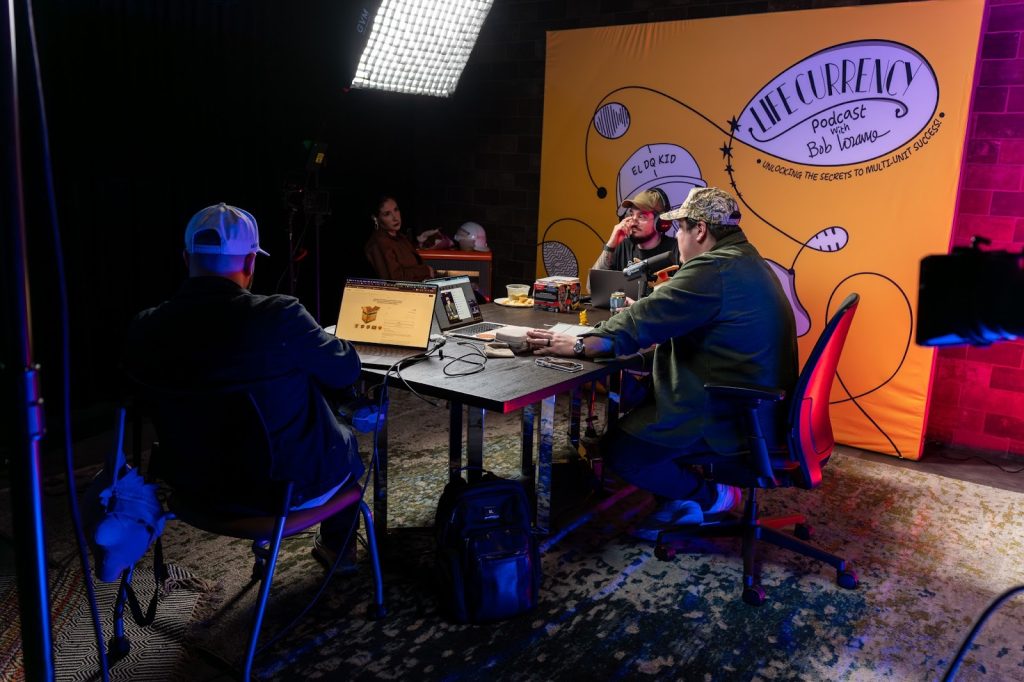
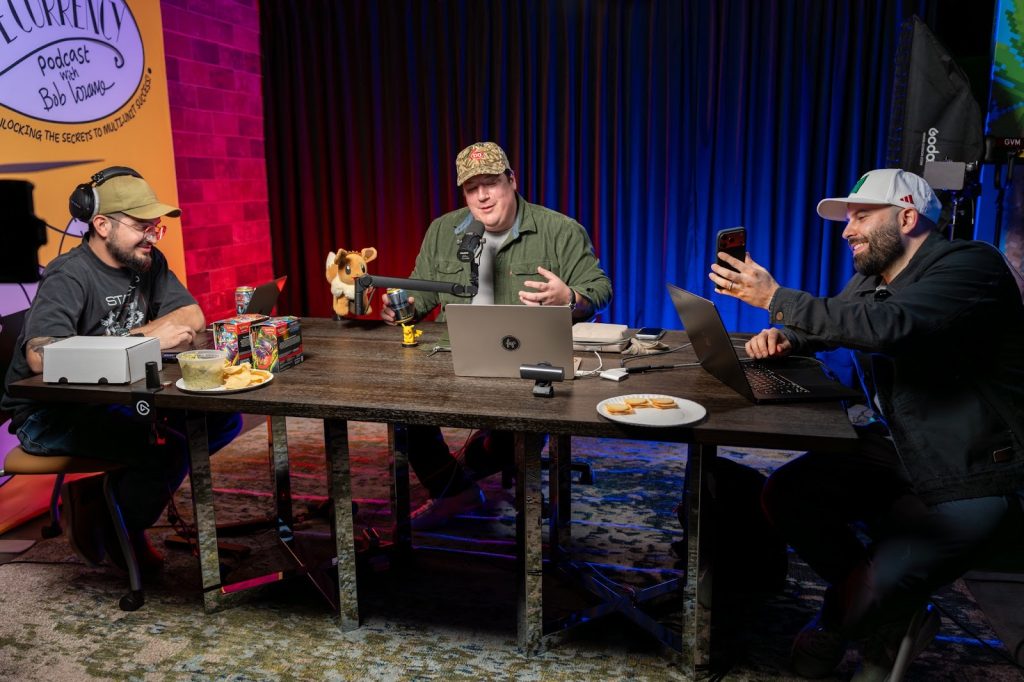
On Sunday night, we weren’t planning to make history. We were just hanging out.
Then we ended up in a live bidding war.
It Started on Instagram Live
We jumped on Instagram to watch what was being called one of the biggest Pokémon auctions in history. Goldin Auctions had partnered with Logan Paul. The headline item? A Pikachu Illustrator card projected to sell for $10 million. By the end of the night? It crossed $15 million.
One card. Cardboard. Originally worth pennies.
And it got us thinking.
Pop Culture Moves Markets
While everyone was watching the Pikachu card climb into the stratosphere, we noticed something else. Buried in the auction lots were 1999 Burger King Pokémon collectible sets. Unopened, still in the original Burger King cardboard box: 100 gold-plated Pokémon cards inside.
For anyone who grew up in the 90s, you’d remember them. You’d order your combo, add $1.99, and you’d get a gold Pokémon Card in a Pokéball. That wasn’t just a toy, it was one of the earliest examples of pop culture driving traffic in QSR at scale. And that’s when it all clicked.
This Isn’t About Pokémon
It’s About Restaurants. At F&P Media, we talk about one thing constantly:
How restaurants leverage culture to drive traffic.
From:
- Pokémon at Burger King
- Disney exclusivity at McDonald’s
- Travis Scott meals
- SpongeBob promos
- Angel Reese collabs
- World Cup partnerships
Pop culture is fuel for QSR, and on Sunday night, pop culture was setting records. So we did something slightly insane.
We Entered the Bidding War
The lots started at around $2,000, so we figured, why not? We’re a restaurant media company. The extended bidding started, and the price started climbing:
$2,200, $3,000, $4,000, $5,000…
Auto-bidders appeared, aggressive jumps happened, we got outbid, we pivoted, we strategized.
It wasn’t rational. It was emotional.
Which is exactly the point.
Meanwhile… A $15 Million Pokémon Card
While we were fighting over a 1999 Burger King box, the Pikachu Illustrator card soared past $15 million. And that’s when something deeper became obvious:
This isn’t just nostalgia, it’s asset class behavior.
Collectibles are:
- Cultural capital
- Social proof
- Digital-age status symbols
- Long-term brand artifacts
And social media amplifies all of it. Back in the Babe Ruth era, collectibles were quiet. Today, they trend globally in real time.
Why We Bought the Box
Yes, we won one of the lots. No, it may not “make financial sense” in the short term.
But here’s what it represents:
- A 1999 QSR marketing campaign that drove massive traffic
- Early proof that pop culture collabs move product
- A physical reminder that restaurants don’t just sell food, they sell moments
- A case study in nostalgia economics
We don’t just talk about franchising. We live in it, and sometimes that means owning a weird piece of it.
The Real Lesson
The real lesson isn’t about Pokémon, it’s this:
Relevance compounds.
Burger King in 1999 tapped into Pokémon at its peak, McDonald’s leveraged Disney exclusivity, Jollibee is currently running Pokémon promos, The World Cup will trigger QSR waves globally.
Brands that plug into culture at the right time don’t just sell more meals, they create artifacts.
And sometimes…
Those artifacts sell for $15 million.
Final Thoughts
We didn’t buy a box of collectibles, we bought a reminder:
Restaurants win when they understand culture, and culture is worth paying attention to.
Even when it’s wrapped in a Pokéball.